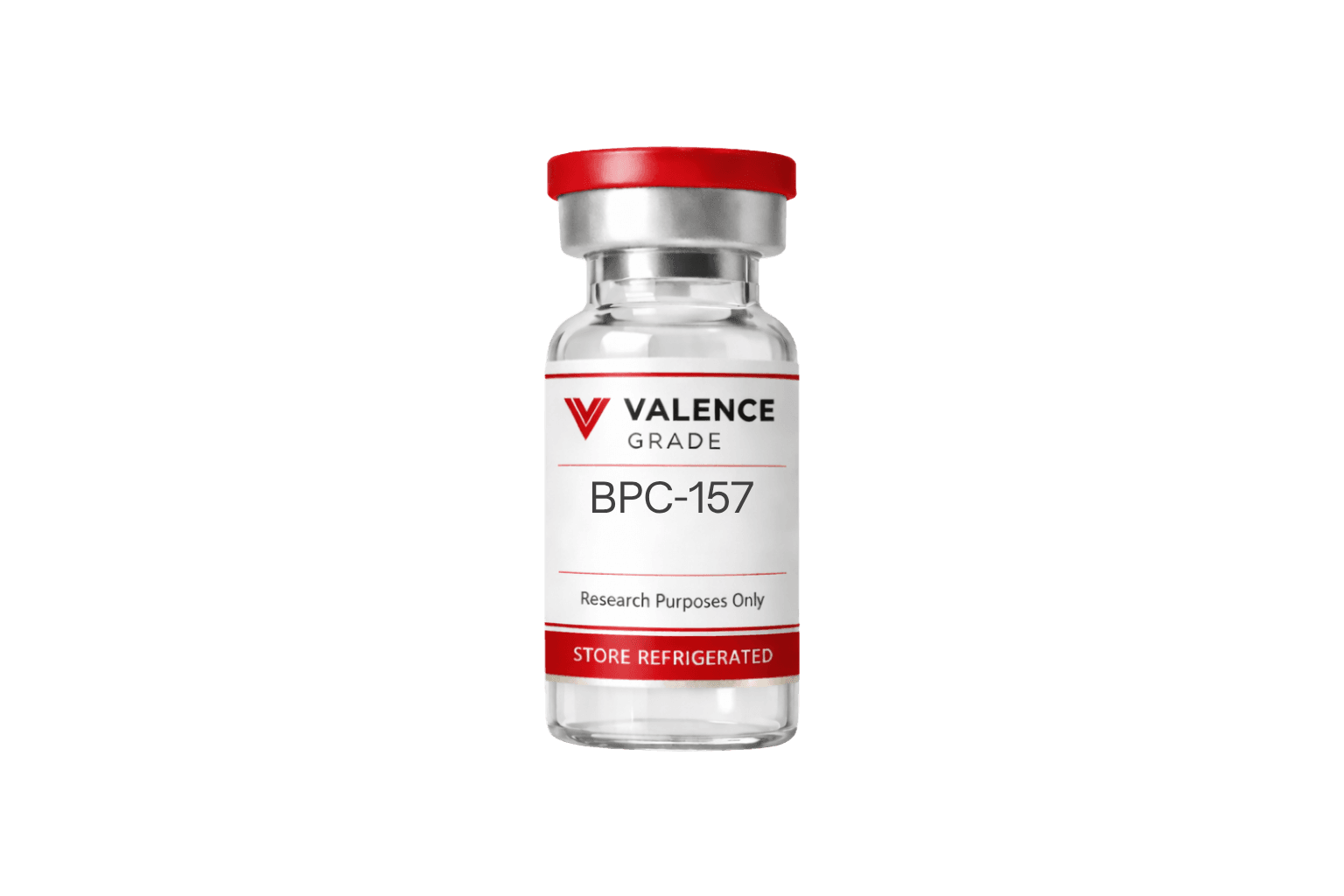
BPC-157
Body Protection Compound
BPC-157 is a synthetic pentadecapeptide consisting of 15 amino acids, originally derived from a protective gastric protein. Extensively studied for its role in tissue healing, angiogenesis, and cellular protection research models.
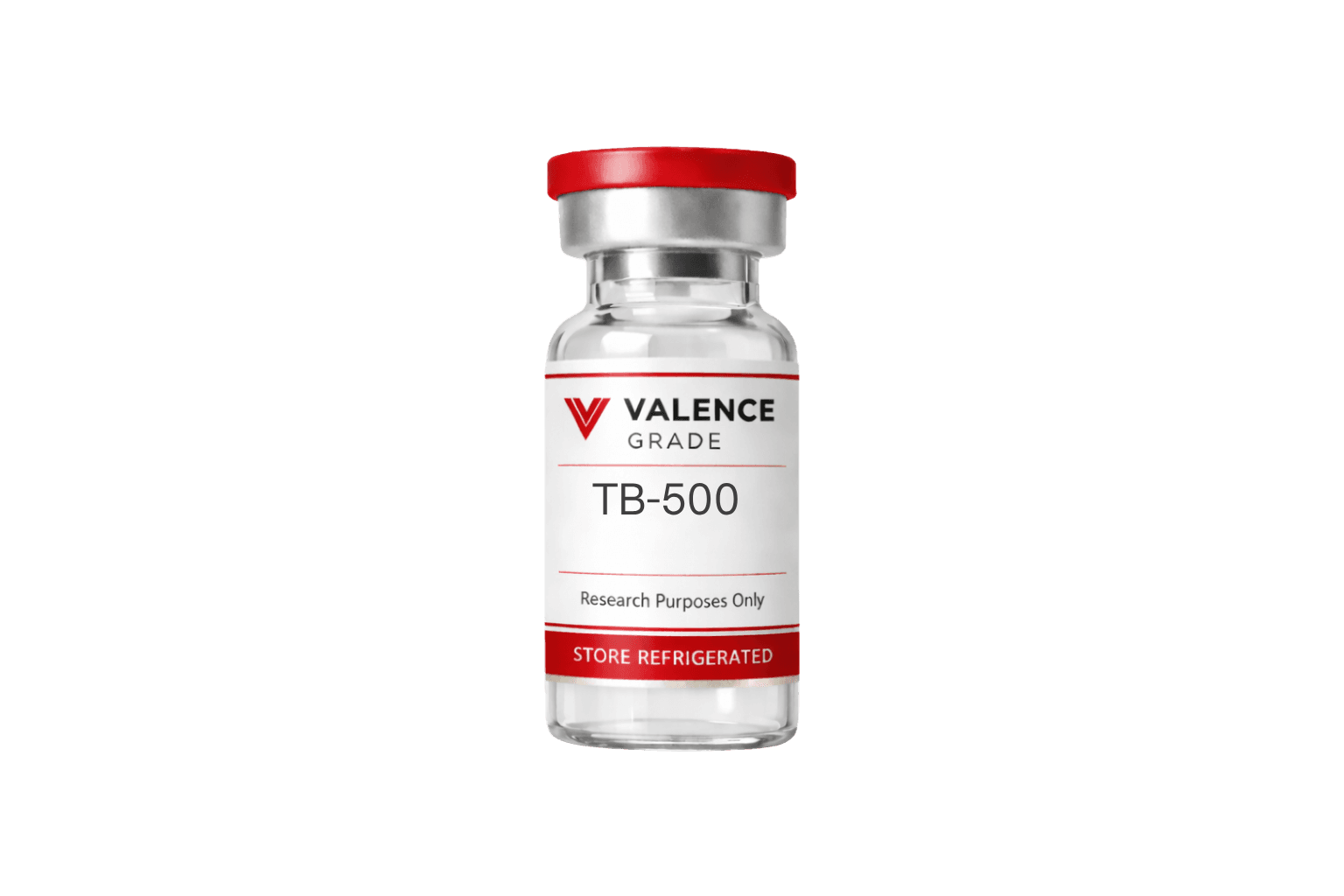
TB-500
Thymosin Beta-4 Fragment
TB-500 is a synthetic version of a naturally occurring peptide found in virtually all human and animal cells. Research has focused on its role in actin binding, cellular migration, and inflammatory modulation.
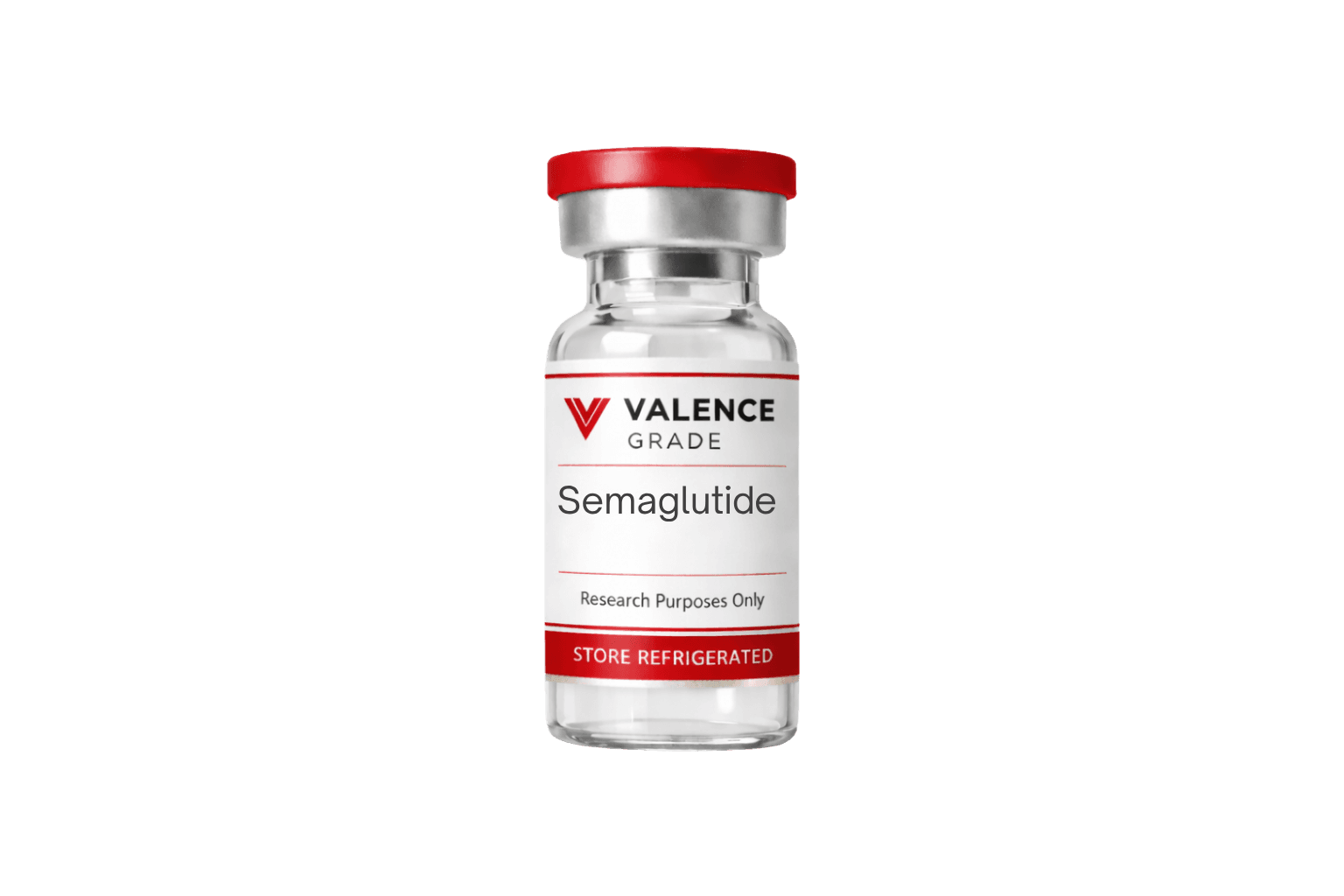
Semaglutide
GLP-1 Receptor Agonist
Semaglutide is a GLP-1 receptor agonist peptide with a C18 fatty acid chain enabling albumin binding. Originally developed for type 2 diabetes research; widely studied for metabolic and body composition mechanisms.
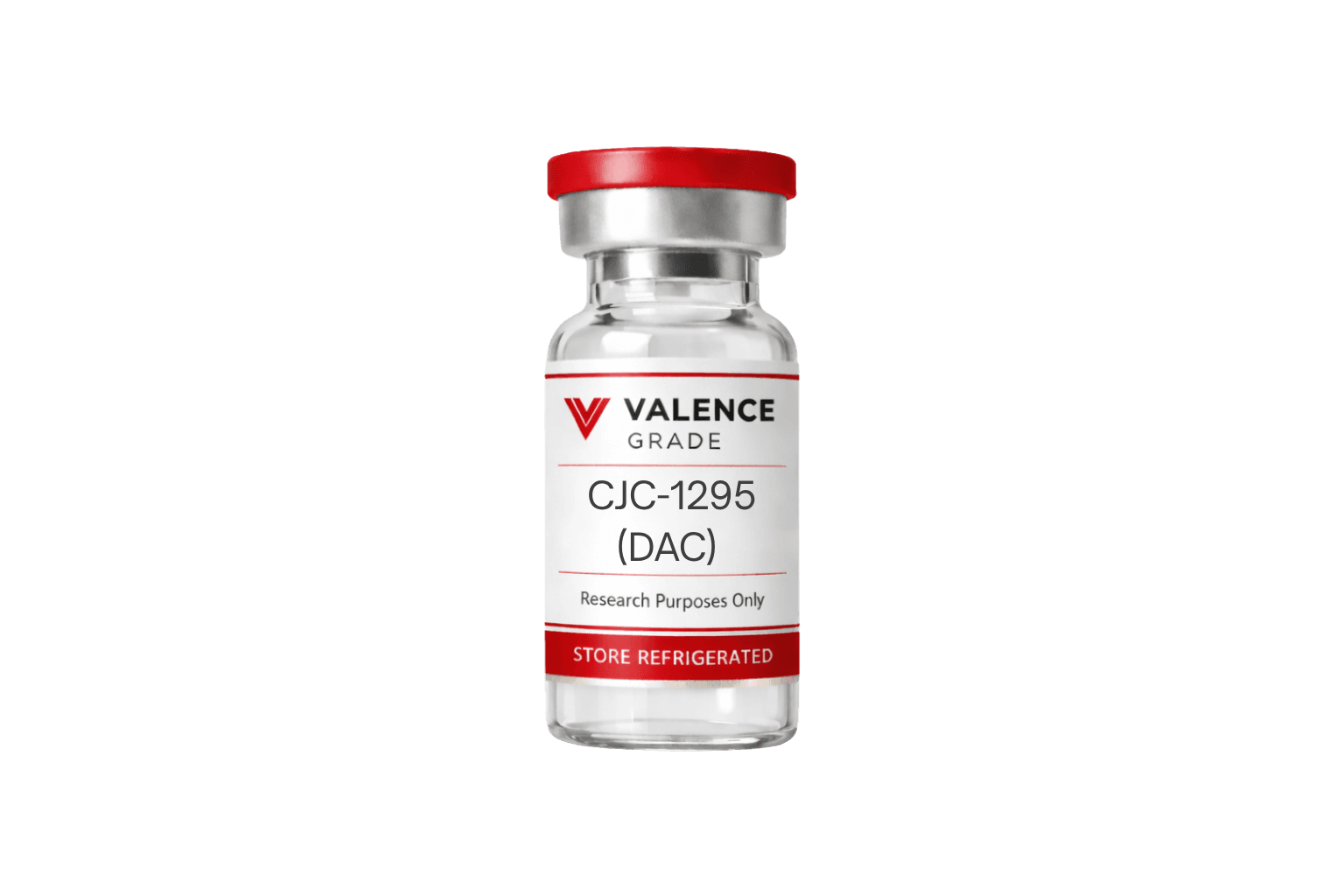
CJC-1295 (DAC)
GHRH Analogue with Drug Affinity Complex
CJC-1295 with DAC is a synthetic analogue of growth hormone-releasing hormone (GHRH) with Drug Affinity Complex technology extending its plasma half-life. Commonly researched in GH secretagogue studies.
Ipamorelin
Selective GH Secretagogue
Ipamorelin is a pentapeptide and selective growth hormone secretagogue (GHS). Widely used in research exploring GH pulse amplitude without cortisol or prolactin stimulation.
Selank
Tuftsin Analogue
Selank is a synthetic heptapeptide analogue of the immunomodulatory peptide tuftsin. Research has explored its anxiolytic-like and nootropic properties in in vitro models.
GHK-Cu
Copper Tripeptide-1
GHK-Cu (Glycyl-L-histidyl-L-lysine copper complex) is a naturally occurring tripeptide-copper complex. Extensively studied for its role in tissue remodeling, extracellular matrix synthesis, and cellular signaling.
IGF-1 LR3
Long Arg3 IGF-1
IGF-1 LR3 is a synthetic analogue of IGF-1 with an arginine substitution and N-terminal extension, resulting in significantly reduced binding protein affinity and an extended in vitro half-life.
Hexarelin
Examorelin
Hexarelin is a synthetic hexapeptide analogue of GHRP-6 and potent GHS-R1a agonist. Used in research exploring GH secretion dynamics and cardiac function models.
MT-2
Melanotan II
Melanotan II is a cyclic lactam analogue of alpha-melanocyte-stimulating hormone (α-MSH). Studied for its high-affinity binding to melanocortin receptors MC1R through MC5R in research models.
Retatrutide
GLP-1/GIP/Glucagon Triple Agonist
Retatrutide is a triple agonist targeting GLP-1, GIP, and glucagon receptors. Actively researched for its multi-receptor mechanism in metabolic and body composition studies.
Bacteriostatic Water
BAC Water — 0.9% Benzyl Alcohol
Bacteriostatic water (BAC water) containing 0.9% benzyl alcohol for inhibiting microbial growth. Required for reconstituting lyophilized research peptides. Multi-dose vial stable for 28 days after first use when refrigerated.
WOLVERINE
BPC-157 + TB-500 Healing Blend
A co-lyophilized combination of BPC-157 and TB-500 in equimolar ratios. Studied together in tissue repair research models where BPC-157's angiogenic and TB-500's actin-binding properties may offer complementary mechanisms.
GLOW
BPC-157 / GHK-Cu / TB-500 Triple Blend
A triple-peptide co-lyophilized blend combining BPC-157, GHK-Cu, and TB-500. Studied in multi-mechanism tissue repair models where angiogenic, matrix remodeling, and cytoskeletal repair pathways are investigated simultaneously.
CJC-1295 (No DAC)
Modified GRF (1-29)
CJC-1295 without DAC (also known as Modified GRF 1-29) is a truncated analogue of GHRH with a shorter half-life than the DAC version. Frequently used in pulsatile GH release research protocols.
Sermorelin
GHRH (1-29) Analogue
Sermorelin is a synthetic analogue of the first 29 amino acids of endogenous GHRH. Studied as a GH secretagogue in research models examining pituitary somatotroph responsiveness and GH pulse dynamics.
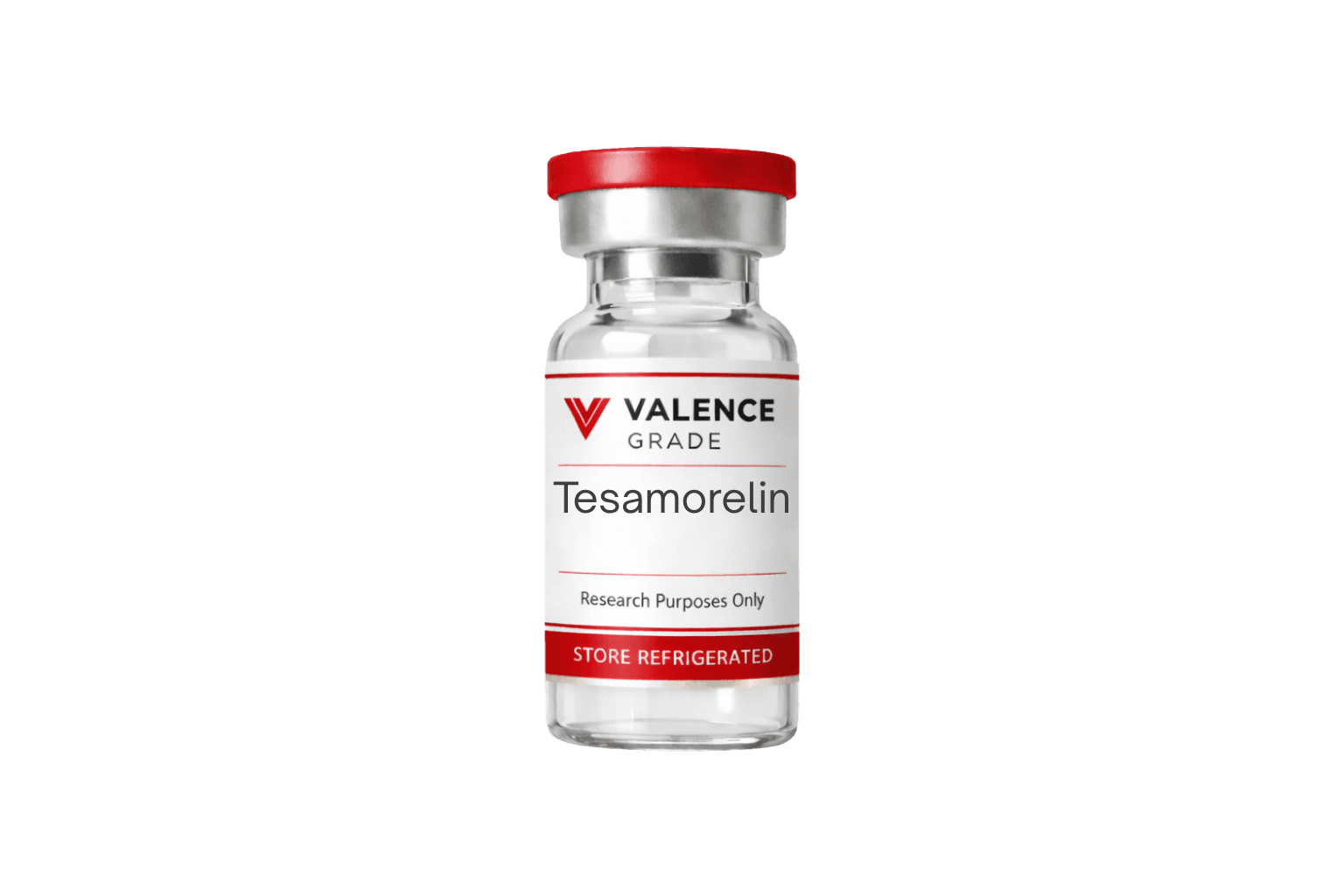
Tesamorelin
Trans-3-Hexenoic Acid-GHRH Analogue
Tesamorelin is a stabilized analogue of GHRH conjugated with trans-3-hexenoic acid to improve plasma stability. Studied for GH secretion stimulation in adipose tissue redistribution research models.
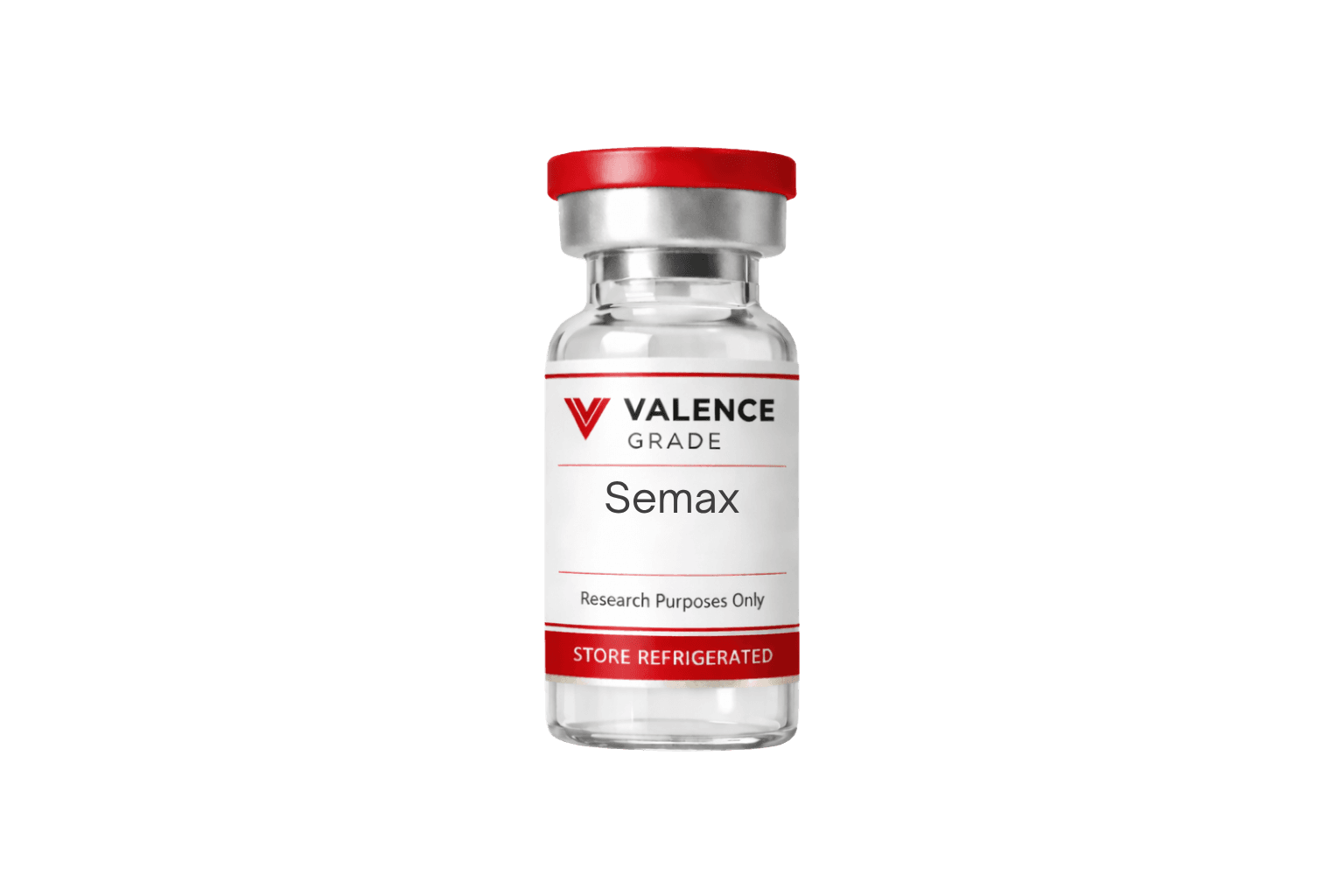
Semax
ACTH(4-7)PGP Neuropeptide
Semax is a synthetic heptapeptide analogue of the ACTH(4-7) fragment. Studied in neurological research models for BDNF/VEGF upregulation, cognitive enhancement mechanisms, and neuroprotective pathways.